
Services
Our Lining Services

Storm Water
Soak Away
S.U.D.S
Gas Barrier
Pond Liners
Contamination
Golf Course
Rain water
Storm Water Attenuation, Soakaways & S.U.D.S
Stormwater attenuation refers to the process of managing and controlling the flow of excess rainwater or stormwater runoff to minimize the risk of flooding and protect the environment. It involves the design and implementation of structures and systems that temporarily store or slow down the flow of stormwater, allowing it to gradually infiltrate into the ground or be released at a controlled rate.
Stormwater attenuation systems can include features such as ponds, basins, underground storage tanks, and permeable surfaces. These systems help to reduce the peak flow of stormwater, prevent erosion, improve water quality by filtering pollutants, and recharge groundwater sources. By effectively managing stormwater, attenuation measures play a vital role in maintaining the sustainability and resilience of urban and rural areas, mitigating the impact of heavy rainfall events, and protecting both infrastructure and natural ecosystems.
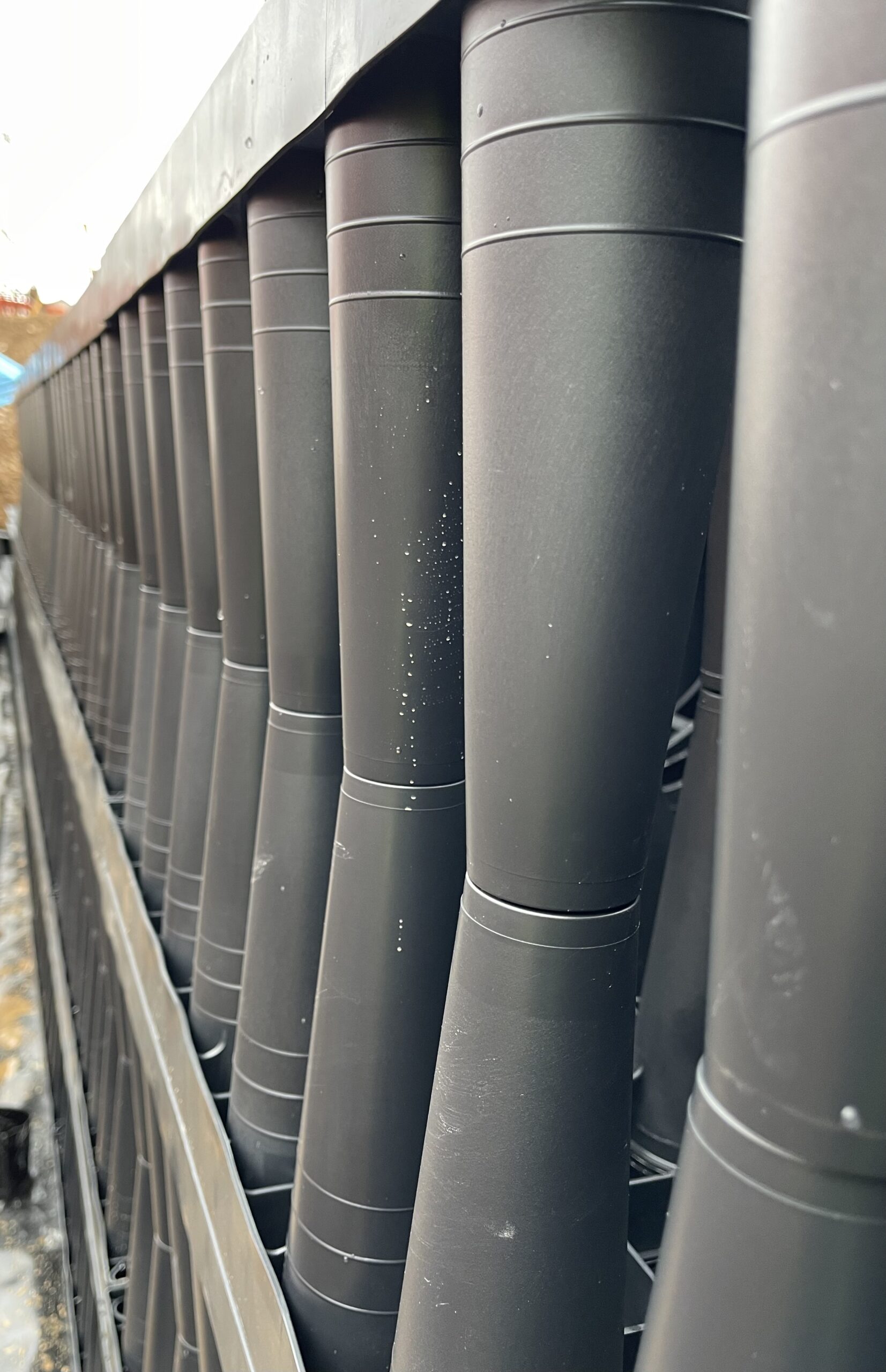
Gas Barriers & Contamination
Gas barriers are an essential component of the services provided by DD Lining Services. These barriers serve as a protective layer against the migration of harmful gases, such as radon, methane, and volatile organic compounds (VOCs), from the ground into structures. DD Lining Services specializes in the installation of high-quality gas barriers that effectively prevent the ingress of these hazardous gases, ensuring the safety and well-being of occupants. Their expert team meticulously assesses the site and customizes the gas barrier solutions to suit specific requirements, taking into account factors such as soil conditions, building structure, and gas concentration levels. By employing state-of-the-art materials and techniques, DD Lining Services ensures the utmost effectiveness of their gas barriers, providing clients with peace of mind and a secure living or working environment. Whether it’s for residential, commercial, or industrial applications, DD Lining Services delivers reliable and efficient gas barrier solutions tailored to each client’s needs.
Stormwater attenuation systems can include features such as ponds, basins, underground storage tanks, and permeable surfaces. These systems help to reduce the peak flow of stormwater, prevent erosion, improve water quality by filtering pollutants, and recharge groundwater sources. By effectively managing stormwater, attenuation measures play a vital role in maintaining the sustainability and resilience of urban and rural areas, mitigating the impact of heavy rainfall events, and protecting both infrastructure and natural ecosystems.

Pond liners, Golf Courses
DD Lining Services specializes in the installation of high-quality pond liners, offering a comprehensive solution for creating and maintaining water containment systems. Pond liners play a crucial role in preventing water leakage, seepage, and contamination, ensuring the integrity and longevity of ponds, reservoirs, and water features. With their extensive expertise in lining solutions, the team at DD Lining Services carefully assesses the specific requirements of each project, considering factors such as water volume, soil composition, and environmental conditions. They utilize durable and flexible liner materials, such as EPDM and PVC, that are resistant to UV degradation, punctures, and chemical exposure, ensuring a watertight seal. By employing precision installation techniques and adhering to industry best practices, DD Lining Services ensures the effective containment of water, protecting valuable resources and enhancing the aesthetics and functionality of aquatic environments. Whether it’s for decorative ponds, agricultural reservoirs, or industrial water storage, DD Lining Services delivers reliable and efficient pond liner solutions, tailored to meet the unique needs of each client.
Stormwater attenuation systems can include features such as ponds, basins, underground storage tanks, and permeable surfaces. These systems help to reduce the peak flow of stormwater, prevent erosion, improve water quality by filtering pollutants, and recharge groundwater sources. By effectively managing stormwater, attenuation measures play a vital role in maintaining the sustainability and resilience of urban and rural areas, mitigating the impact of heavy rainfall events, and protecting both infrastructure and natural ecosystems.

Rainwater Harvesting
Rainwater harvesting is a sustainable practice that DD Lining Services specializes in, providing innovative solutions for capturing and utilizing rainwater efficiently. With a growing focus on water conservation and environmental responsibility, rainwater harvesting systems offer numerous benefits. DD Lining Services offers a range of services to design and install rainwater harvesting systems that are tailored to the specific needs and requirements of each client. These systems typically include components such as gutters, downspouts, filters, storage tanks, and lining solutions to ensure the integrity and quality of collected rainwater. By harnessing rainwater, clients can reduce their reliance on traditional water sources, lower water bills, and contribute to water conservation efforts. DD Lining Services utilizes high-quality materials and employs skilled technicians to ensure the durability and efficiency of their rainwater harvesting systems. Whether it’s for residential, commercial, or industrial applications, DD Lining Services is dedicated to delivering reliable and sustainable rainwater harvesting solutions that promote water efficiency and environmental stewardship.
Stormwater attenuation systems can include features such as ponds, basins, underground storage tanks, and permeable surfaces. These systems help to reduce the peak flow of stormwater, prevent erosion, improve water quality by filtering pollutants, and recharge groundwater sources. By effectively managing stormwater, attenuation measures play a vital role in maintaining the sustainability and resilience of urban and rural areas, mitigating the impact of heavy rainfall events, and protecting both infrastructure and natural ecosystems.
